The food industry in 2026 is highly competitive, and presentation plays a huge role in customer satisfaction. Box packaging for food is no longer just about holding a meal—it’s about safety, convenience, and brand identity. Whether you run a restaurant, food delivery service, or packaged meal company, choosing the right food packaging boxes is essential for keeping your products fresh and appealing.
Why Box Packaging for Food Is Crucial in 2026
The modern consumer expects convenience and quality. Box packaging for food offers several benefits:
- Freshness: Keeps hot and cold meals at optimal temperatures.
- Durability: Protects food from spills, crushing, and contamination.
- Branding: Custom boxes allow businesses to showcase logos and designs, improving recognition.
- Sustainability: Eco-conscious materials help reduce environmental impact.
With the rise of delivery apps, meal kits, and takeaway services, well-designed boxes for food packaging can make the difference between a repeat customer and a lost one.
Types of Box Packaging for Food
Choosing the right box packaging for food depends on your product, delivery method, and brand. Here are the main options:
1. Takeaway Boxes
Popular with restaurants and fast food chains, takeaway boxes come in:
- Cardboard boxes for sandwiches, wraps, and burgers
- Paperboard boxes for snacks and sweets
- Compostable and recyclable options
2. Meal Prep Containers
Meal prep services require specialized food box packaging that can hold multiple portions and withstand transportation:
- Compartmentalized boxes for mains, sides, and sauces
- Microwave-safe materials for convenience
- Stackable designs for easy storage
3. Frozen Food Packaging Boxes
Frozen meals need frozen food packaging boxes designed to endure low temperatures without losing structure:
- Moisture-resistant coatings
- Insulated liners
- Durable cardboard or corrugated materials
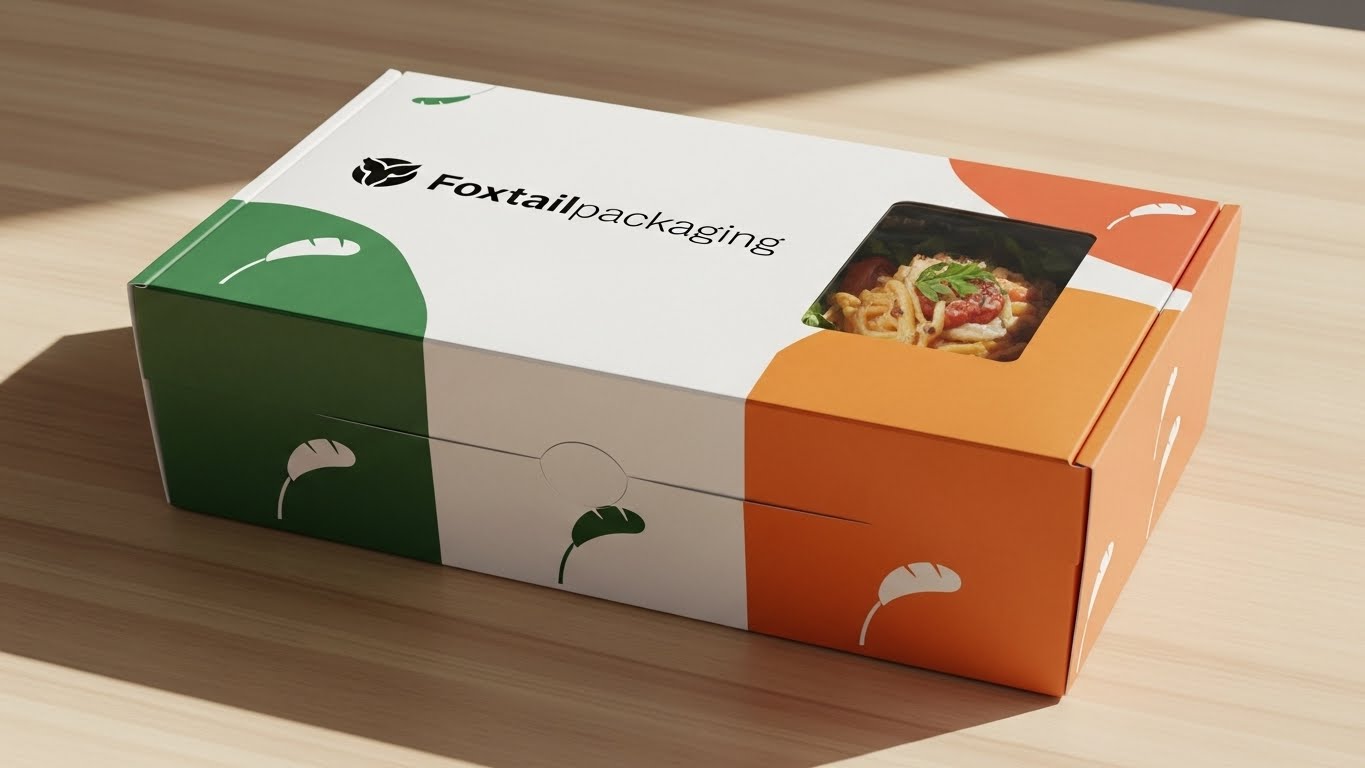
4. Custom Printed Boxes
Branding is key in 2026. Custom box packaging for food allows:
- Logo printing and brand colors
- Unique shapes and designs
- Special inserts for utensils or condiments
Custom packaging enhances the customer experience and strengthens brand recall.
Design Considerations for Box Packaging for Food
A well-designed box should be functional, durable, and attractive. Key considerations include:
1. Size and Compartments
- Proper sizing prevents spillage and protects food integrity
- Multi-compartment boxes keep sauces separate from main meals
2. Material Selection
- Cardboard and corrugated boxes are popular for hot and cold meals
- Biodegradable and recyclable options appeal to eco-conscious consumers
- Insulated boxes help maintain temperature for hot or frozen meals
3. Aesthetic Appeal
- Attractive food packaging boxes increase perceived value
- Printed logos, brand colors, and textures enhance customer satisfaction
Benefits of Durable Box Packaging for Food
Durable box packaging for food offers numerous advantages:
- Protection: Prevents damage during transport and handling
- Freshness: Maintains optimal temperature and prevents moisture loss
- Hygiene: Reduces contamination risk, especially in delivery or takeaway services
- Consumer Trust: High-quality packaging conveys reliability and professionalism
Durability is especially important for delivery-based businesses where food is exposed to varying temperatures and handling conditions.
Sustainability Trends in Box Packaging for Food
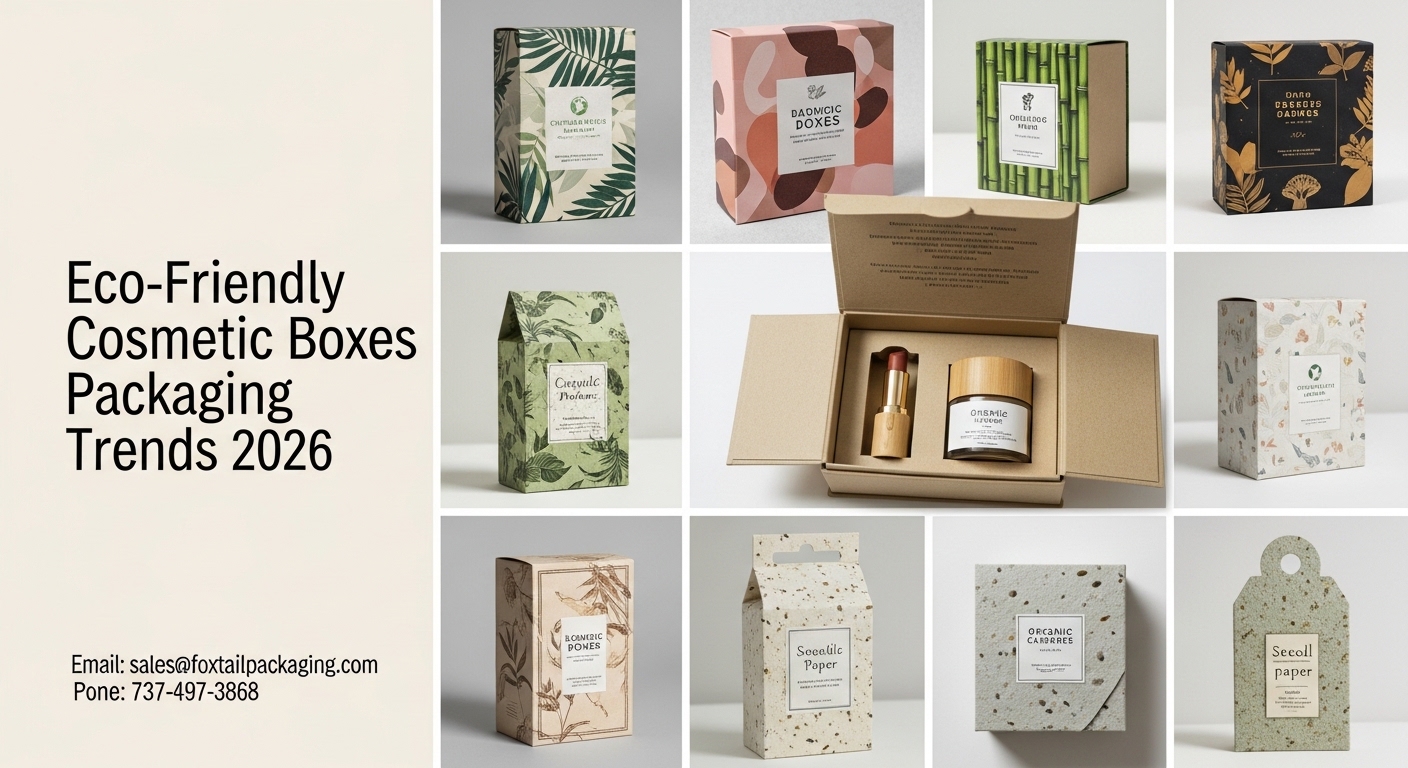
Eco-friendly packaging is no longer optional. Brands are shifting towards sustainable boxes for food packaging by:
- Using compostable, recyclable, or biodegradable materials
- Minimizing plastic coatings and non-recyclable additives
- Encouraging reusable or returnable packaging programs
Sustainable packaging not only appeals to environmentally conscious customers but also positions your brand as responsible and modern.
Common Mistakes to Avoid in Box Packaging for Food
Even seasoned businesses sometimes make packaging mistakes. Avoid these pitfalls:
- Using Low-Quality Materials
- Cheap boxes may collapse during shipping or fail to maintain temperature
- Ignoring Sustainability
- Consumers increasingly reject brands that use excessive plastic or non-recyclable packaging
- Overcomplicated Designs
- Fancy designs are attractive but can increase cost and complicate production
- Lack of Customization
- Plain packaging may protect food but misses an opportunity for branding
Innovations in Box Packaging for Food
2026 brings exciting innovations in box packaging for food:
1. Smart Packaging
- QR codes provide nutritional info or track delivery
- NFC tags allow for digital engagement with the brand
2. Insulated Boxes
- Keeps meals hot or cold for longer durations
- Ideal for meal delivery and catering services
3. Compartmentalized Boxes
- Separate sections for sauces, snacks, and mains
- Preserves taste and prevents spillage
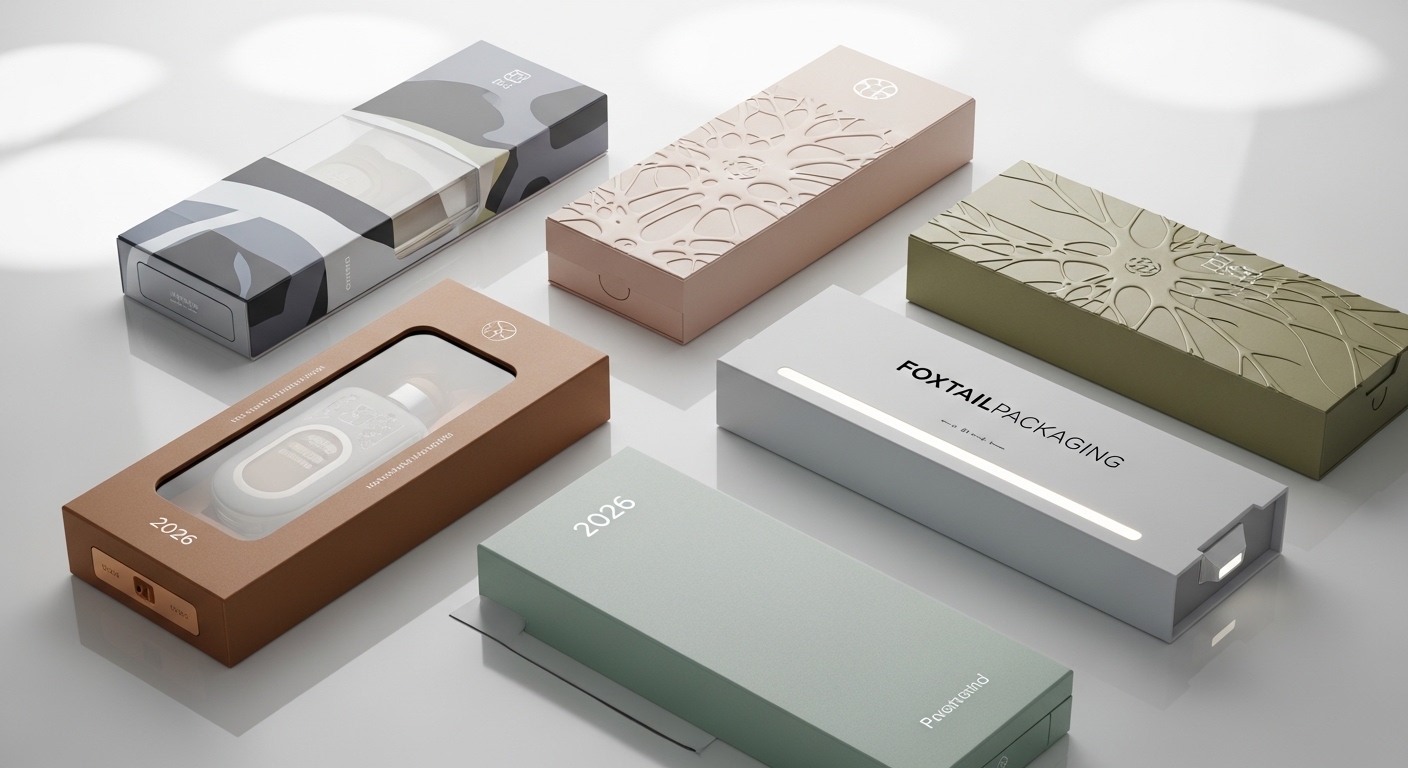
4. Minimalist Designs
- Less ink, lighter boxes, and recyclable materials
- Reduces environmental impact and appeals to conscious consumers
Conclusion
Box packaging for food in 2026 is about more than just containment—it’s a powerful combination of protection, branding, and sustainability. From frozen food packaging boxes to customizable solutions, the right food box packaging ensures meals arrive fresh, safe, and visually appealing. Businesses that invest in quality, durable, and eco-friendly packaging gain a competitive edge and build long-term customer loyalty.
FAQ
Q1: How do I choose the right box packaging for food?
A1: Consider the type of food, delivery method, durability, and branding needs. For frozen meals, use insulated frozen food packaging boxes.
Q2: Are custom food boxes expensive?
A2: Costs vary depending on design and quantity, but scalable options are available for small and large businesses.
Q3: Can eco-friendly packaging maintain food freshness?
A3: Yes, biodegradable and recyclable boxes are available with moisture-resistant and insulated options.
Q4: Does packaging affect customer satisfaction?
A4: Absolutely. Attractive and functional packaging improves perceived value, enhances experience, and builds trust.