Shipping, storing, or gifting fragile items requires careful planning and the right materials. Whether you are protecting glassware, electronics, ceramics, or luxury products, choosing the best packing material for fragile items can make the difference between safe delivery and costly damage. Fragile items are vulnerable to shocks, vibration, pressure, and moisture, so using proper packaging techniques is essential for businesses and individuals alike.
This comprehensive guide explains how to select the best materials, common mistakes to avoid, and professional tips to ensure your delicate items arrive intact every time.
Why Fragile Items Need Special Packaging
Fragile items are prone to cracking, chipping, or breaking during handling and transit. Even short-distance transportation can expose items to drops, stacking pressure, or sudden movement. Proper packaging minimizes these risks by:
- Absorbing shock and vibration
- Preventing movement inside the box
- Protecting against moisture and dust
- Maintaining structural integrity during stacking
Understanding these risks is the first step in choosing the right packing solution.
Understanding the Best Packing Material for Fragile Items
The best packing material depends on the type of item, its weight, shape, and sensitivity. No single solution works for all fragile goods. Instead, a layered approach using cushioning, support, and sturdy outer packaging is ideal.
High-quality materials combined with correct packing techniques ensure maximum protection and peace of mind.
Essential Packing Materials for Fragile Items
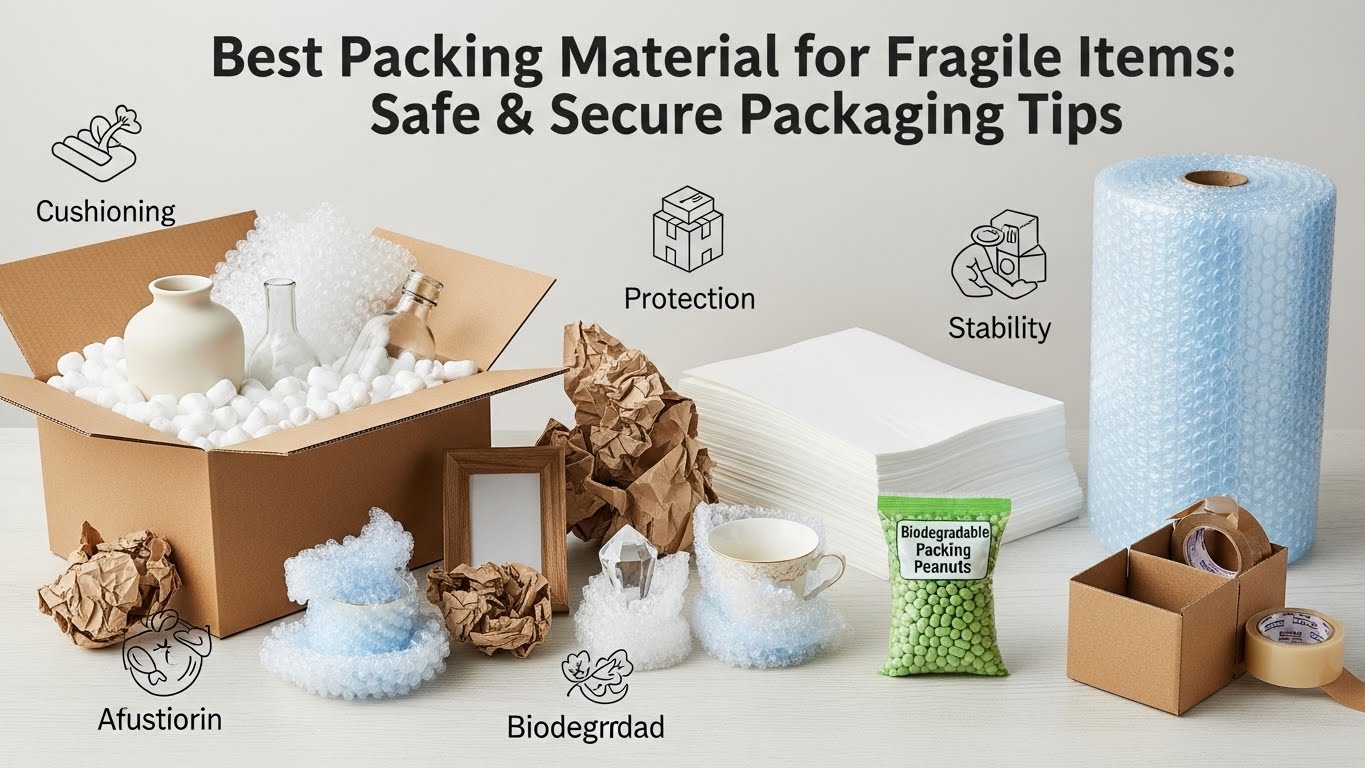
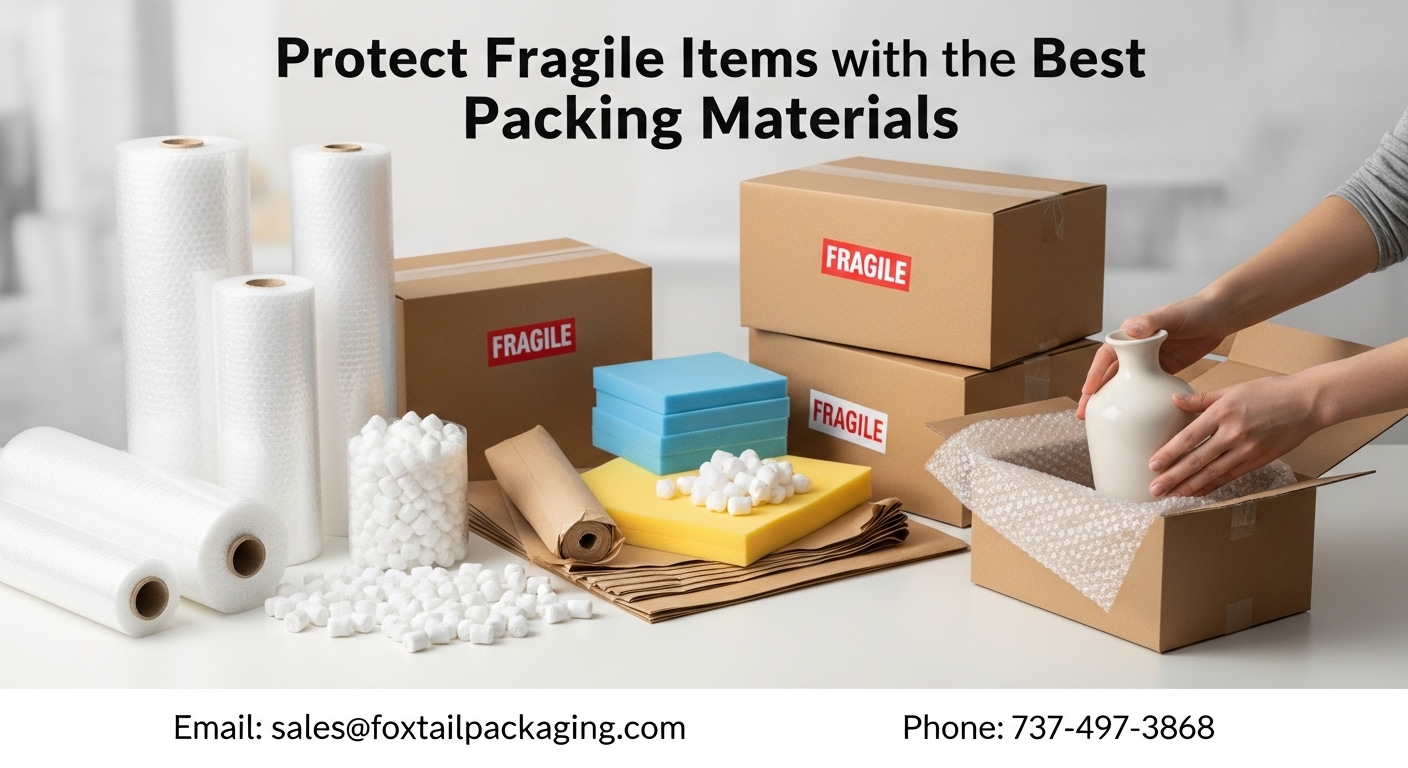
Using the right packing materials for fragile items is crucial for safety. Below are the most effective and commonly used options.
Bubble Wrap
Bubble wrap is one of the most popular materials for fragile items. Its air-filled pockets absorb shock and reduce impact damage. Wrap items generously, especially around corners and edges.
Packing Paper
Unprinted packing paper is ideal for wrapping delicate surfaces to prevent scratches. It is often used as an inner layer before bubble wrap.
Foam Sheets and Inserts
Foam provides excellent cushioning for electronics, glass, and precision items. Custom foam inserts are often used in premium packaging.
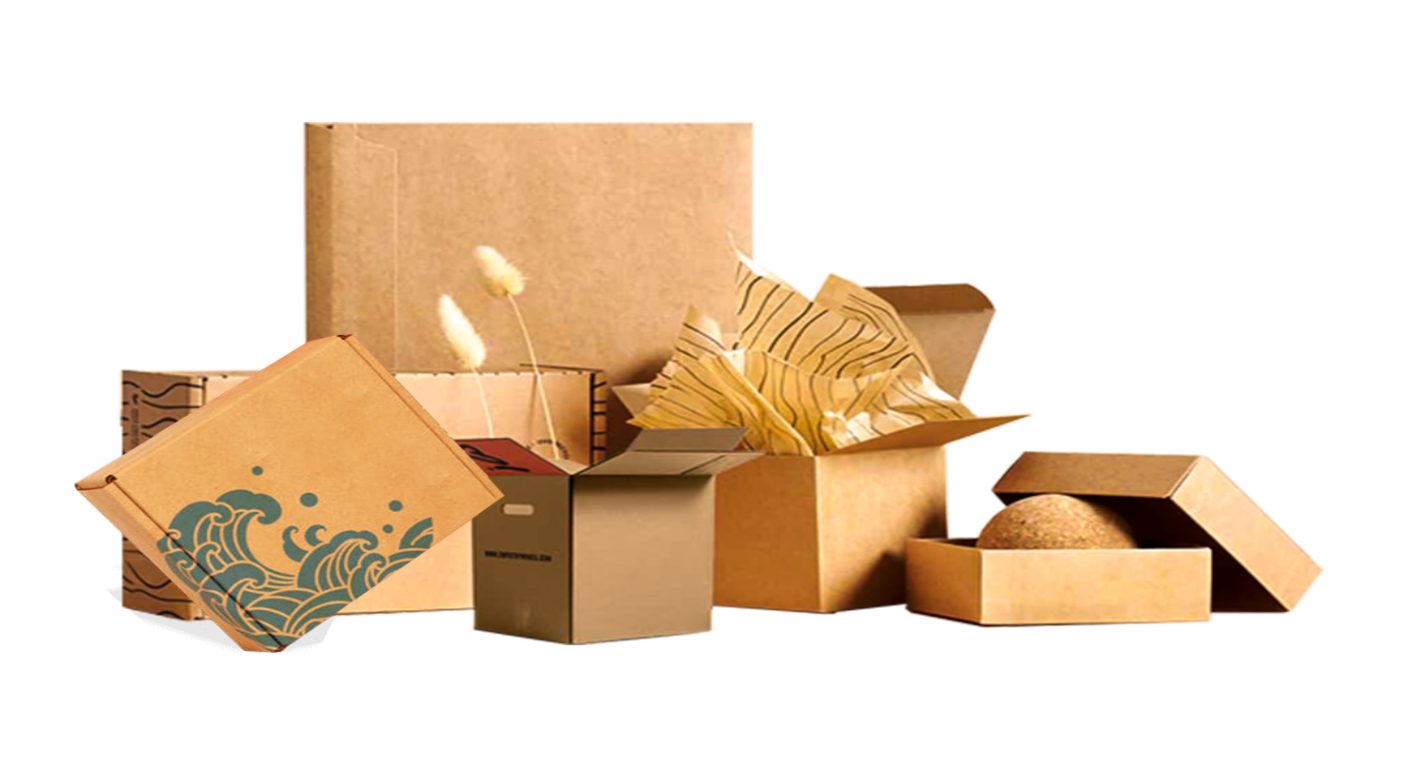
Corrugated Boxes
Strong corrugated boxes form the outer protective layer. Always choose double- or triple-wall boxes for heavier fragile items.
Packing Peanuts
Loose-fill peanuts help fill empty spaces in boxes, preventing movement during transit. They are especially useful for irregularly shaped items.
Best Packaging for Fragile Items: Choosing the Right Box
Selecting the best packaging for fragile items starts with the right box. The box should be sturdy, appropriately sized, and designed for protection.
Oversized boxes increase movement, while undersized boxes put pressure on the item. Always leave space for cushioning materials on all sides.
Specialty boxes such as reinforced cartons, partitioned boxes, and rigid packaging provide additional protection for high-value products.
Packing Fragile Items Safely: Step-by-Step Guide
Proper technique is just as important as the materials themselves. Follow these steps for packing fragile items safely:
- Wrap Each Item Individually
Use packing paper followed by bubble wrap. Secure with tape without touching the item directly.
- Cushion the Bottom of the Box
Add a thick layer of cushioning material at the base.
- Place Items Strategically
Heavier items go at the bottom, lighter ones on top.
- Fill All Empty Spaces
Prevent movement by filling gaps with foam, paper, or peanuts.
- Seal and Label Clearly
Seal the box securely and mark it as “Fragile” on multiple sides.
Specialized Packaging for Luxury and Retail Items
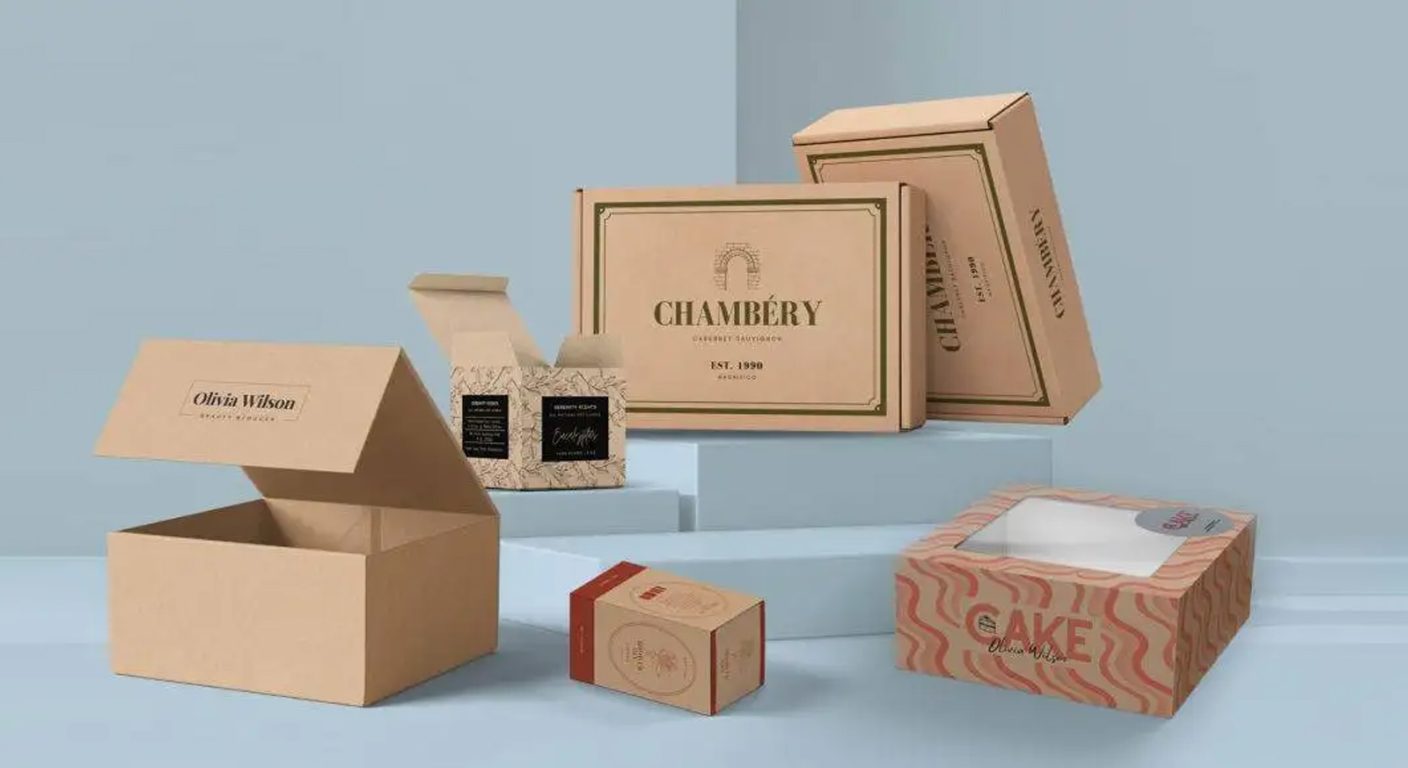
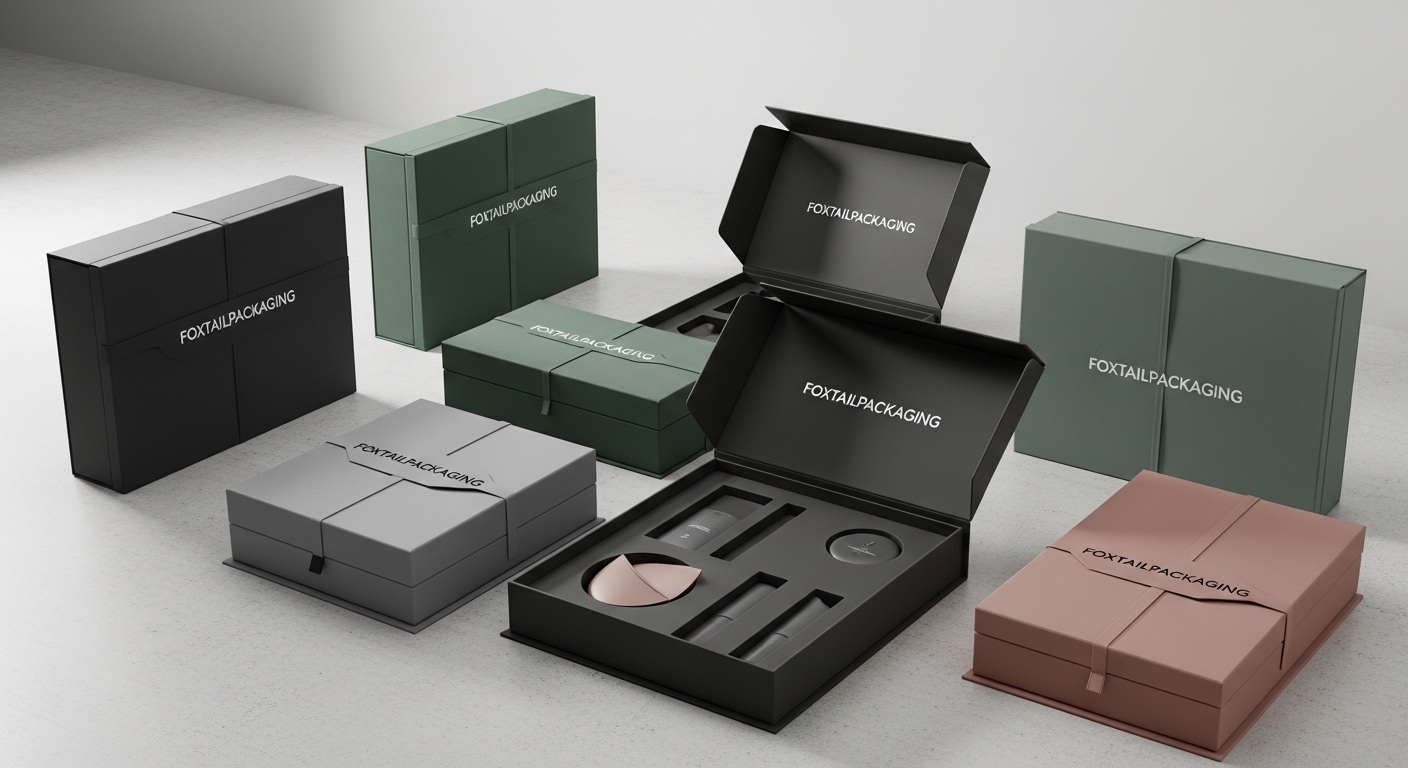
Fragile items in retail and luxury markets often require both protection and presentation. Products like cosmetics, jewelry, and premium gifts benefit from structured packaging solutions.
Boxes such as slylar box designs provide rigid protection with an elegant finish, making them ideal for high-end items that need both safety and visual appeal.
Similarly, a vip box is commonly used for exclusive products, combining durability with premium branding.
Packaging Fragile Items for Shipping vs Storage
Shipping
Shipping requires maximum protection due to handling, stacking, and transportation risks. Use multiple layers of cushioning and strong outer boxes.
Storage
For storage, moisture protection and long-term stability are key. Desiccants and sealed packaging help prevent damage over time.
Common Mistakes to Avoid When Packing Fragile Items
Even with good materials, mistakes can lead to damage. Avoid these common errors:
- Using weak or reused boxes
- Skipping cushioning layers
- Allowing items to touch each other
- Overpacking or underpacking
- Not labeling boxes properly
Professional packaging focuses on balance—secure but not overly tight.
Fragile Item Packaging for Food and Gifts
Food items and gifts often require both safety and aesthetics. Items like baked goods, chocolates, or specialty foods are delicate and sensitive to pressure.
Using structured food packaging boxes and custom inserts ensures items remain intact and presentable. For gifting, premium gift boxes enhance protection while elevating the unboxing experience.
Retailers often use custom gift boxes to reflect brand identity while safeguarding fragile products.
Jewelry and Small Fragile Items
Jewelry is among the most delicate items to package. Small size does not mean low risk—scratches, tangling, and breakage are common.
Rigid containers such as jewelry boxes combined with cushioning materials provide excellent protection. Inner padding prevents movement and maintains the item’s shape.
Sustainable Packing Materials for Fragile Items
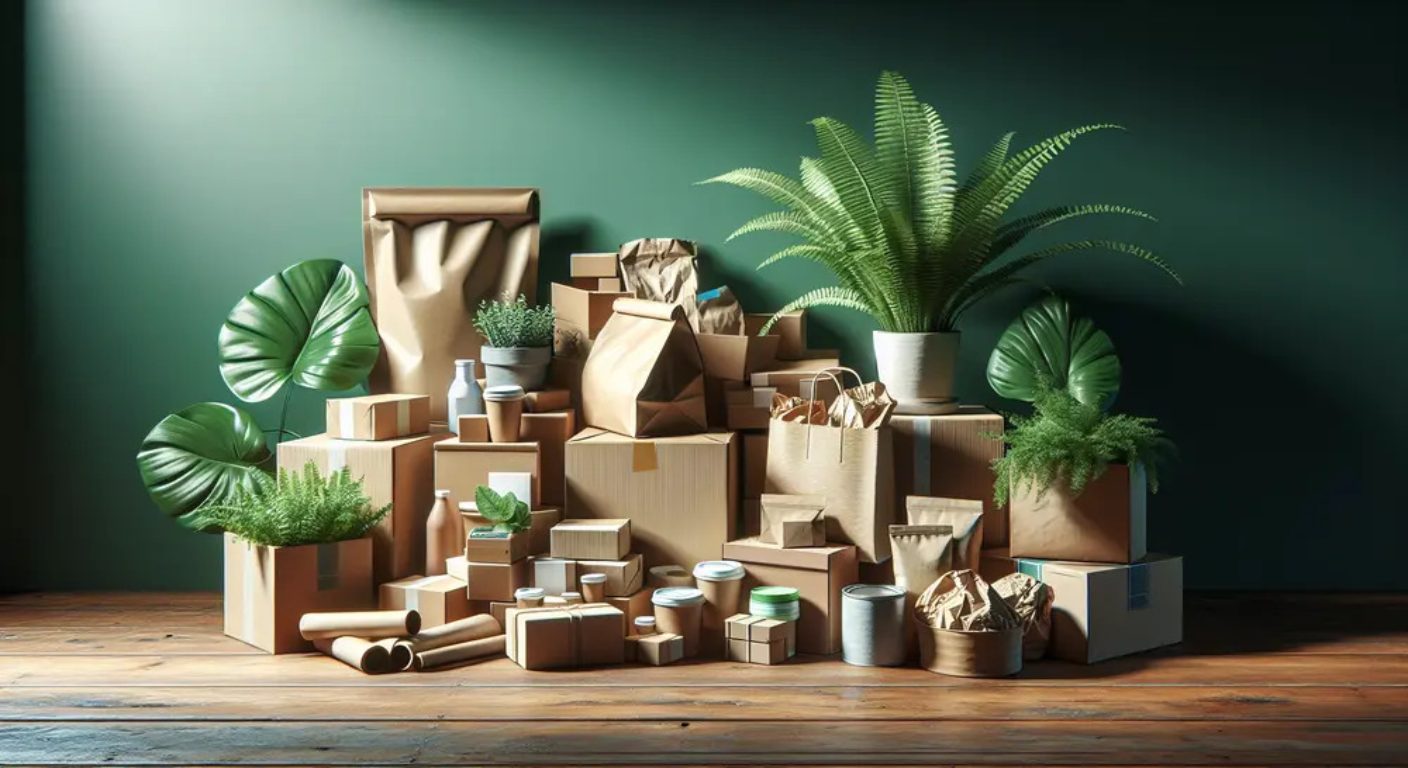
Eco-friendly packaging is becoming increasingly popular. Sustainable options include:
- Recycled corrugated cardboard
- Biodegradable packing peanuts
- Paper-based cushioning
- Reusable rigid boxes
These materials offer protection while reducing environmental impact.
How Businesses Can Improve Fragile Packaging Standards
For businesses, damaged goods mean returns, refunds, and unhappy customers. Investing in high-quality materials and training staff in proper packing techniques improves customer satisfaction and reduces losses.
Custom packaging solutions tailored to product dimensions and fragility levels are especially effective.
When to Use Custom Packaging Solutions
Custom packaging is ideal when:
- Shipping high-value items
- Dealing with unusual shapes
- Requiring premium presentation
- Ensuring repeat shipping consistency
Solutions like and gift box packaging are often used for branded products that need both durability and style.
Packaging for International Shipping
International shipping exposes fragile items to longer transit times and multiple handling points. Extra reinforcement, moisture barriers, and compliance with shipping regulations are essential.
Using high-quality packing materials for fragile items becomes even more critical when shipping across borders.
Final Thoughts
Choosing the best packing material for fragile items is not just about protection—it’s about confidence. Whether you are an individual sending a personal gift or a business shipping valuable products, the right materials and techniques ensure safe delivery.
From bubble wrap and foam to premium solutions like slylar box and vip box packaging, there are options for every need and budget. Combining strong outer boxes with effective cushioning and careful packing methods is the key to success.
By following the tips in this guide and focusing on packing fragile items safely, you can significantly reduce the risk of damage, protect your valuables, and create a positive experience for recipients. Safe packaging is an investment that pays off in reliability, trust, and peace of mind.