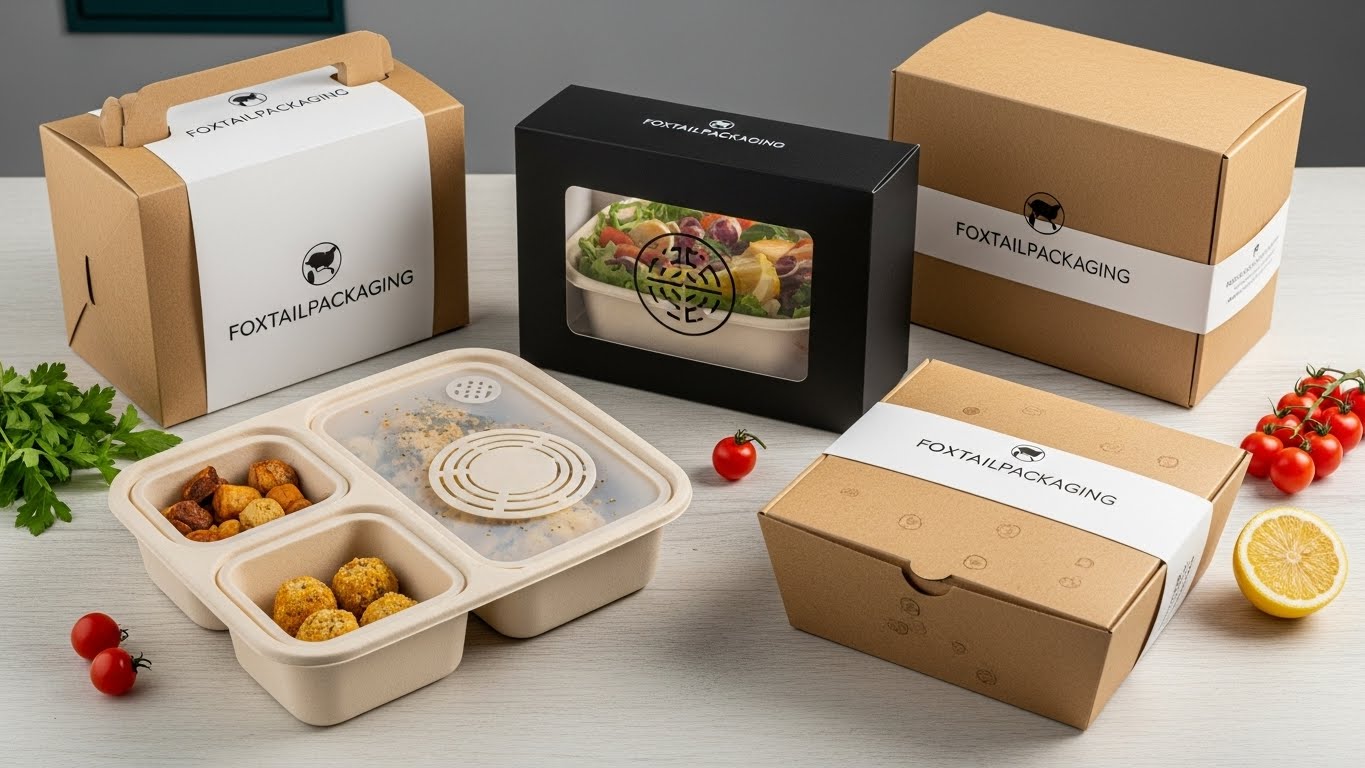
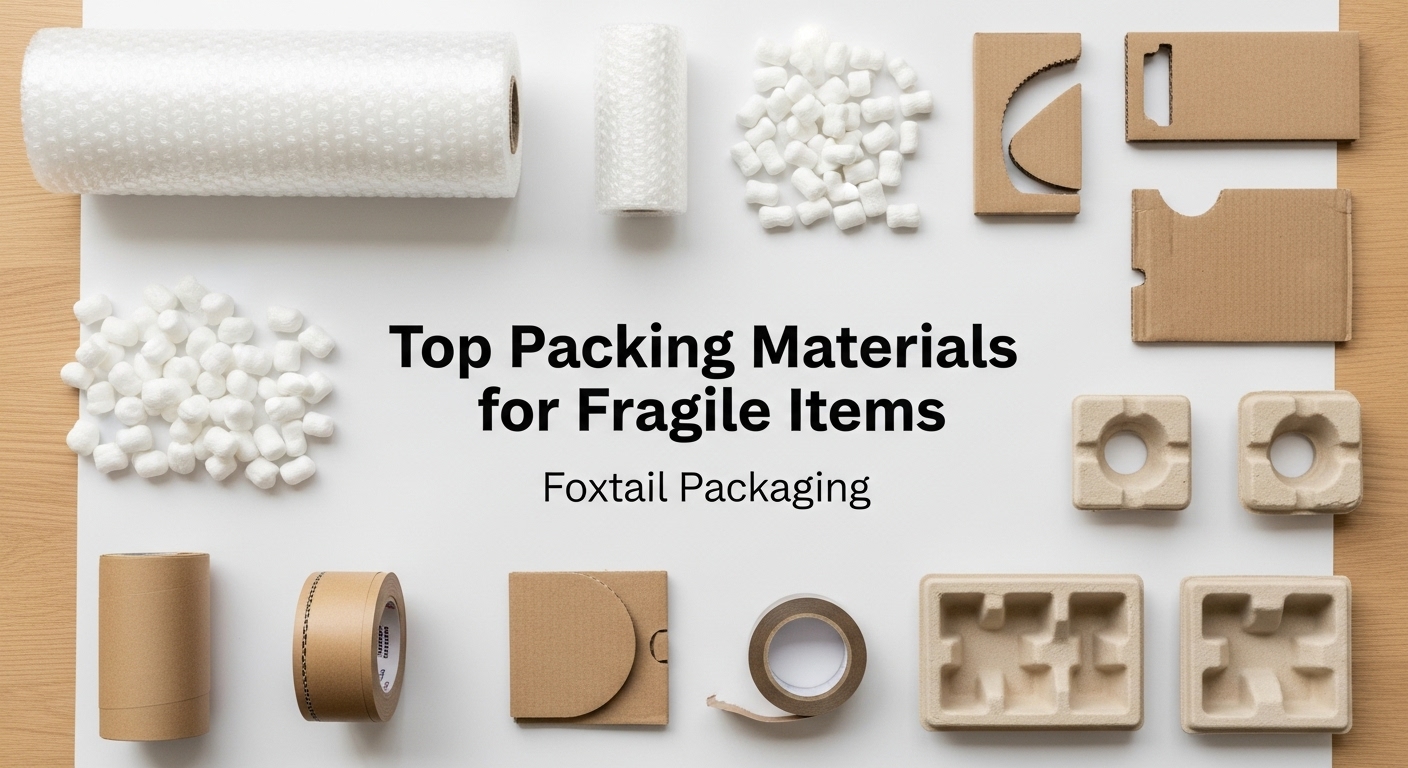
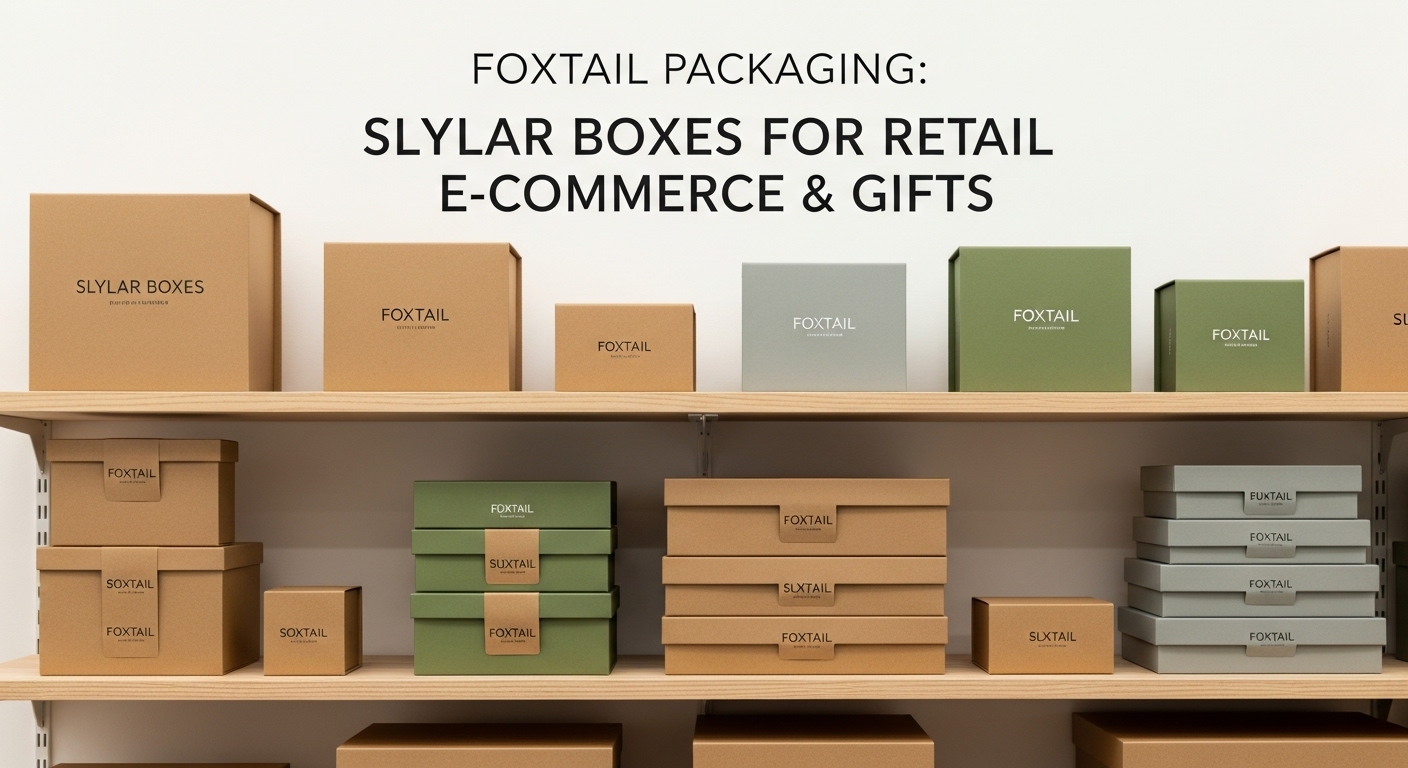
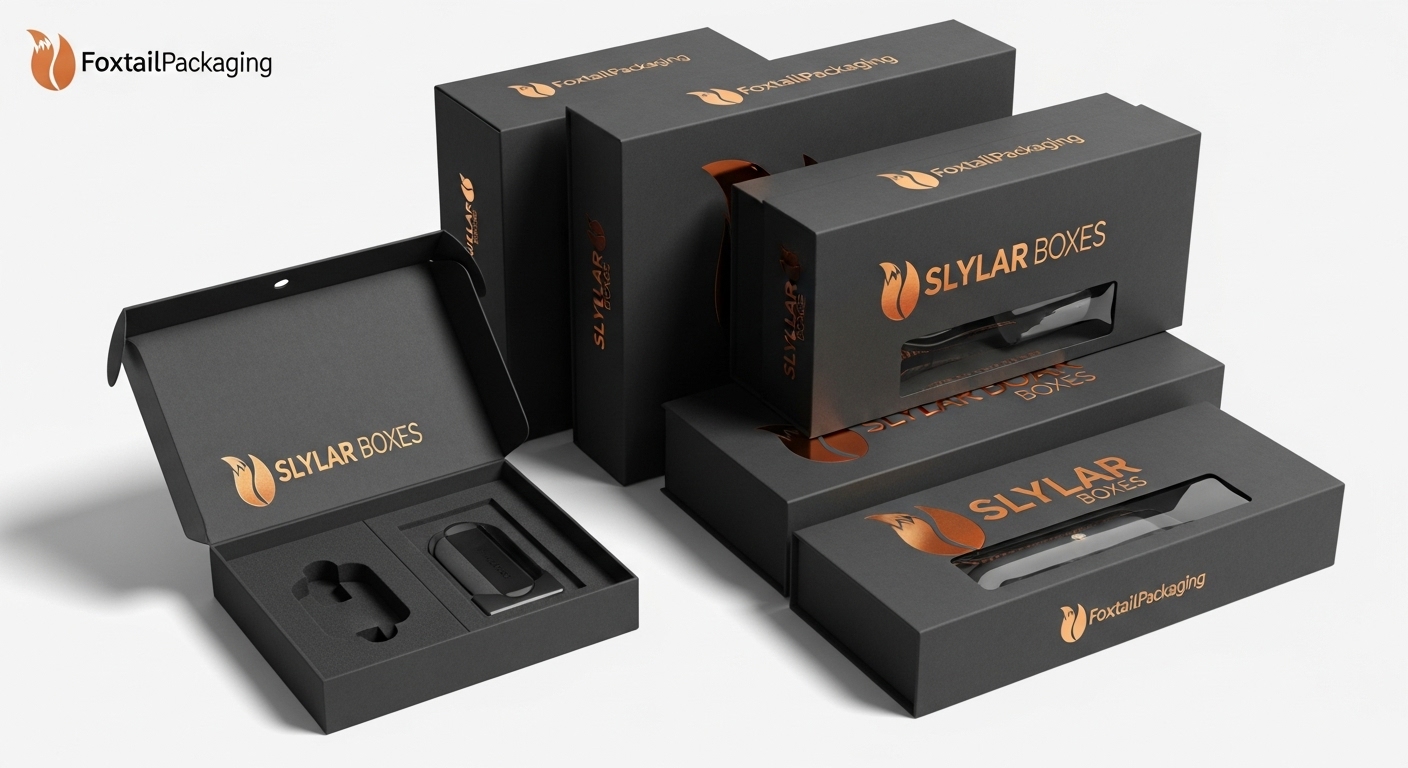
In 2026, the food industry is evolving faster than ever. Whether it’s fast food, meal prep services, or gourmet cuisine, food packaging boxes have become more than just containers—they are vital tools for maintaining freshness, ensuring safety, and enhancing brand appeal. For both startups and established brands, understanding the latest trends and innovations in boxes for food packaging is essential for success.
Why Food Packaging Matters in 2026
Packaging is often the first impression your customer has of your product. A well-designed food box packaging solution does more than protect—it communicates quality, professionalism, and attention to detail.
Key reasons why packaging matters:
- Freshness and Safety: Proper packaging prevents contamination and maintains optimal temperature.
- Brand Identity: Custom food packaging boxes convey brand values and personality.
- Marketing Tool: Attractive boxes encourage social sharing and repeat purchases.
- Sustainability: Consumers increasingly prefer eco-friendly packaging, boosting brand loyalty.
With the rise of delivery services and online food sales, box packaging for food is more critical than ever. Customers expect products to arrive intact, fresh, and visually appealing.
Types of Food Packaging Boxes
The choice of food packaging boxes depends on the type of food, storage needs, and delivery method. Here are some common types:
1. Cardboard Food Packaging Boxes
Cardboard remains a popular choice due to its affordability, lightweight nature, and recyclability. It’s suitable for:
- Bakery items
- Takeout meals
- Snack packaging
2. Biodegradable and Eco-Friendly Boxes
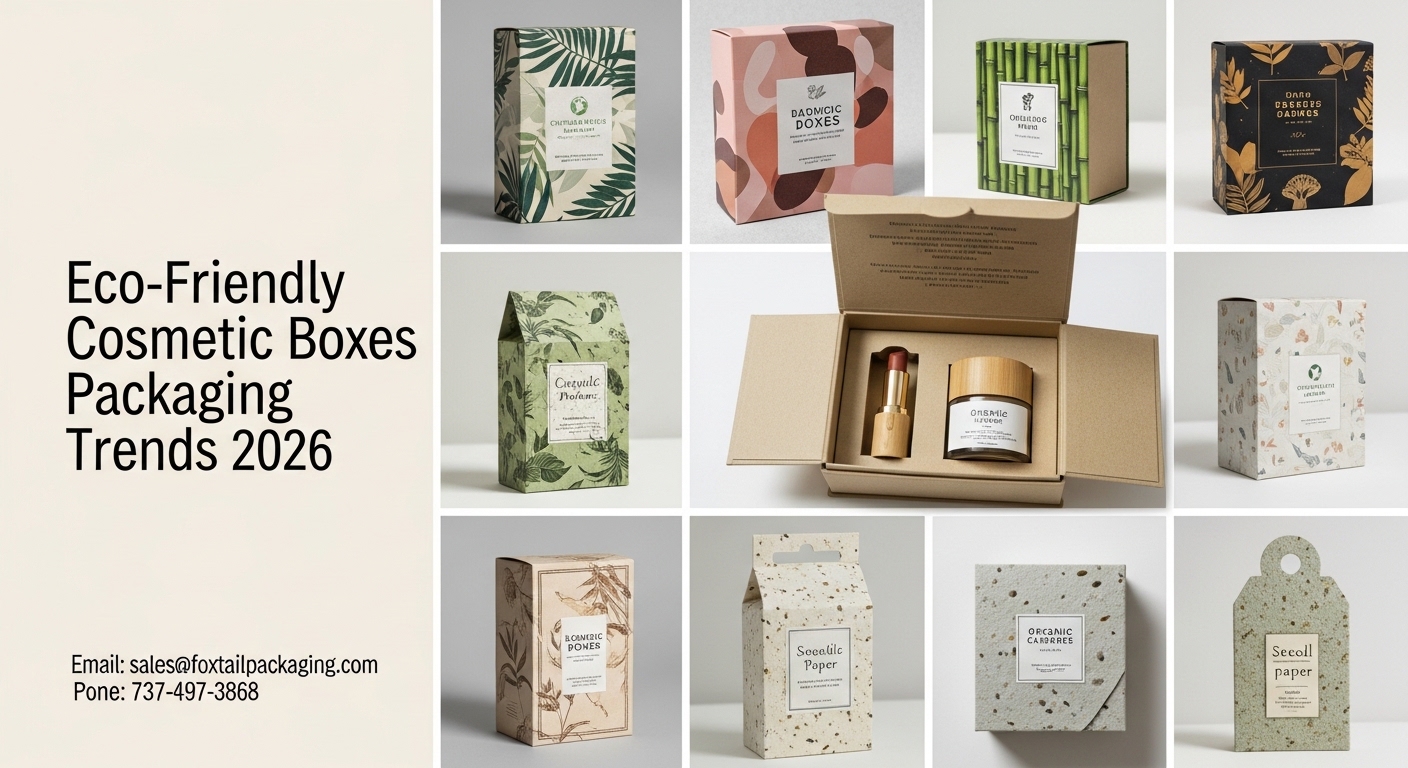
Sustainability is a major trend in 2026. Eco-friendly food box packaging options include:
- Compostable plant-based boxes
- Recycled cardboard
- FSC-certified materials
These options appeal to environmentally conscious consumers and reduce your brand’s carbon footprint.
3. Frozen Food Packaging Boxes
Frozen meals require specialized frozen food packaging boxes designed to withstand low temperatures without becoming soggy. Features include:
- Insulated liners
- Moisture-resistant coatings
- Sturdy structure to prevent crushing
4. Customizable Boxes
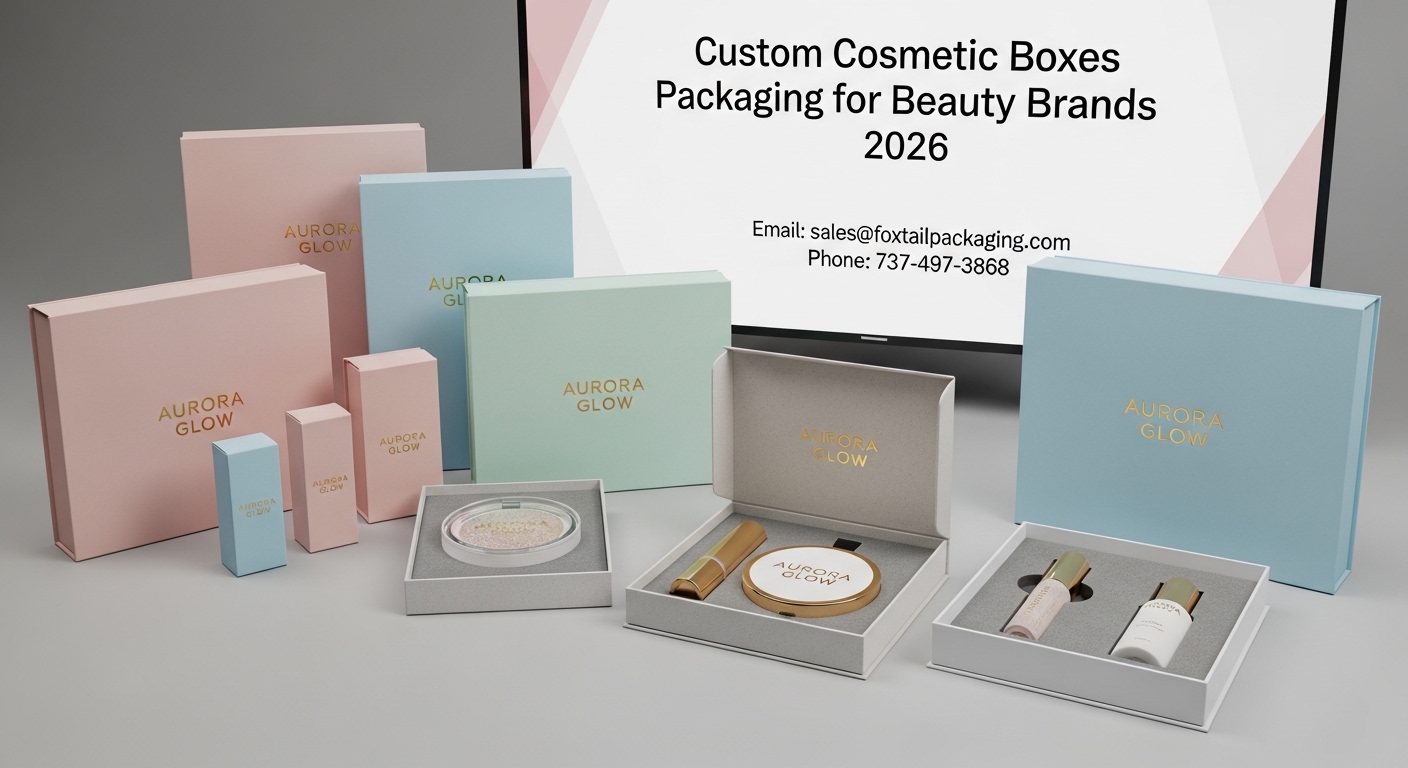
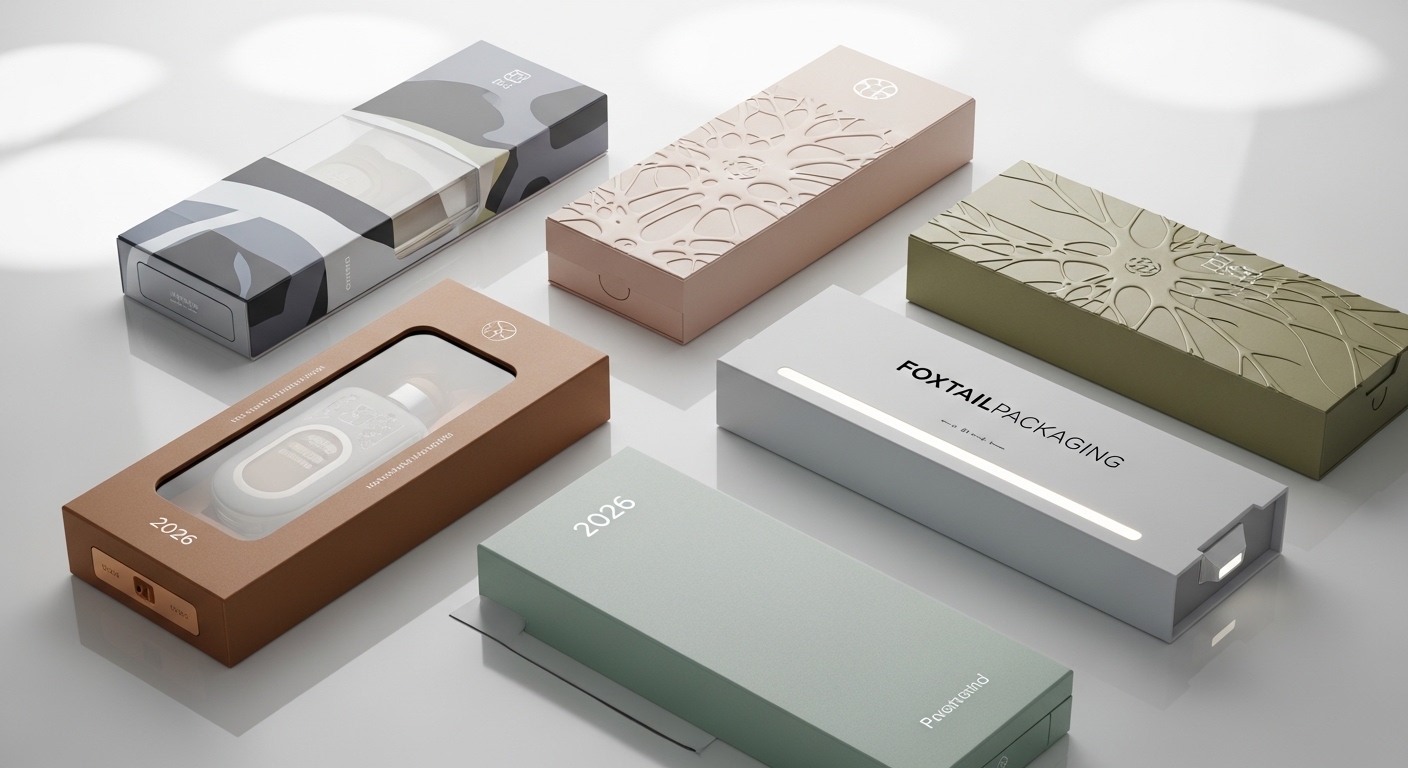
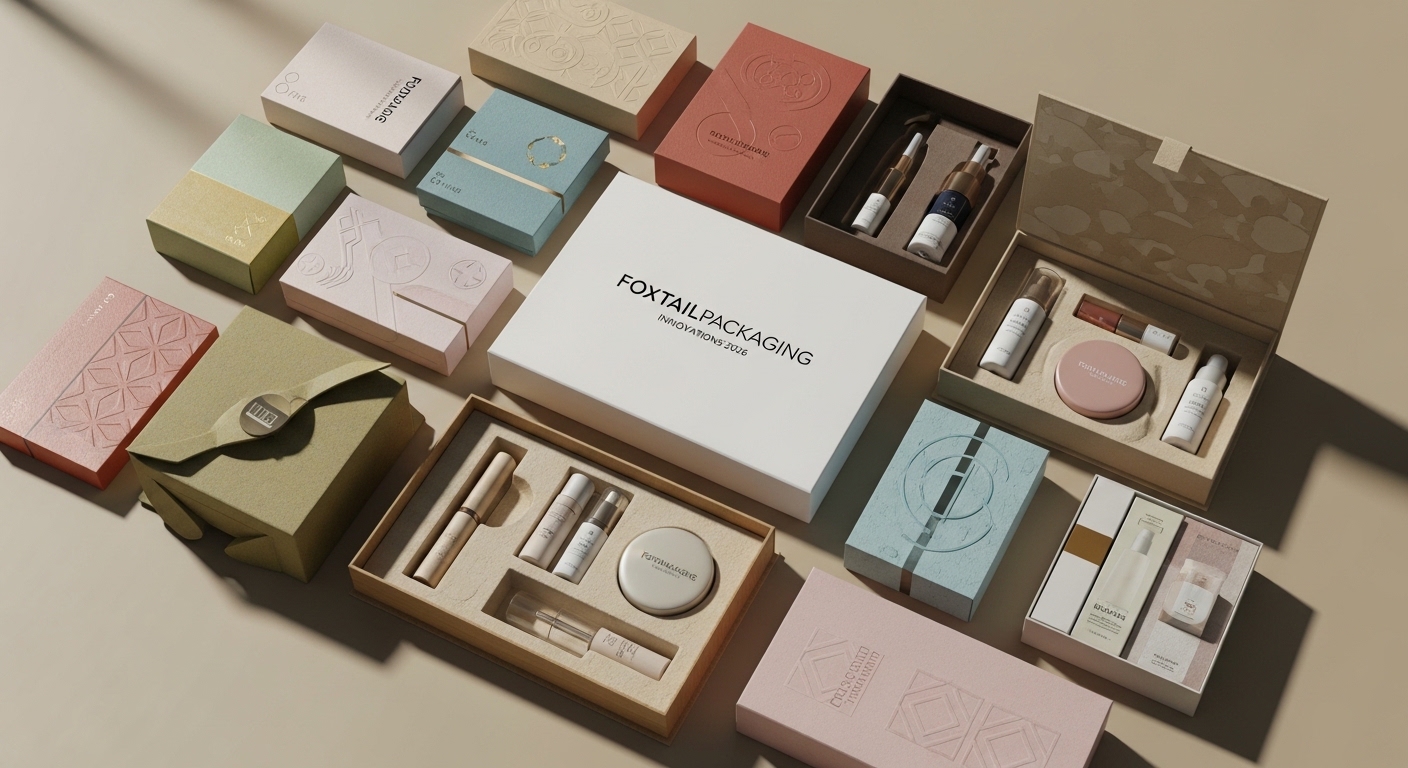
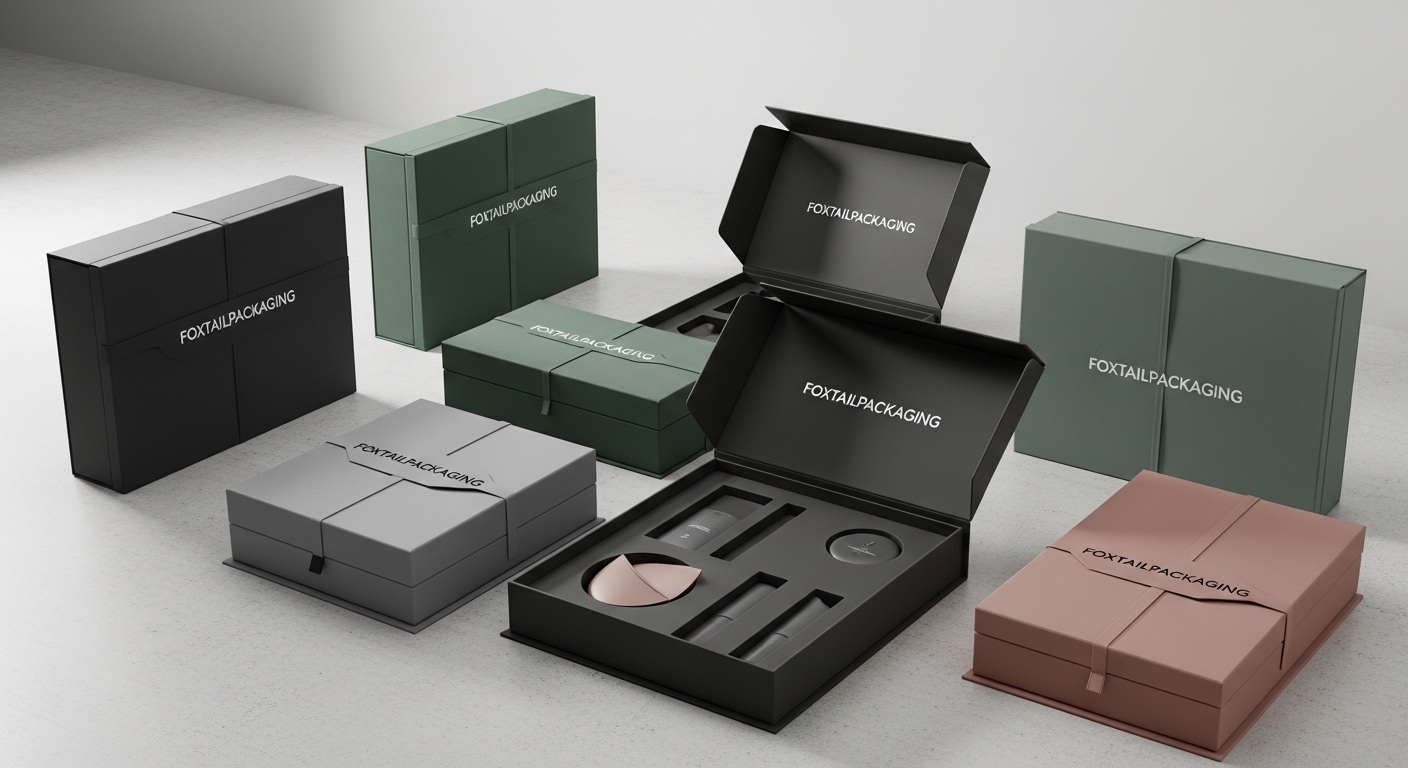
Brands often opt for custom boxes for food packaging to reflect their unique identity. Custom options include:
- Logo printing
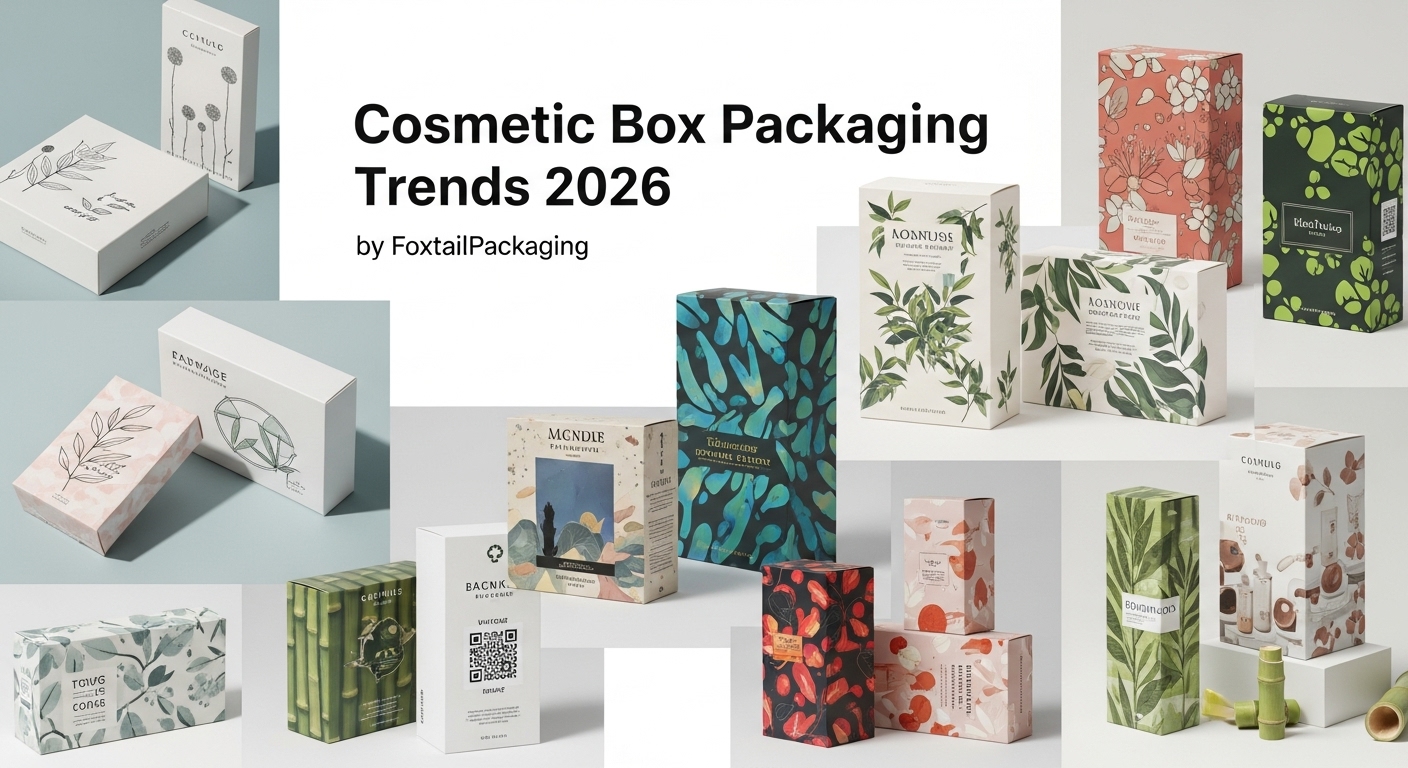
- Brand colors and patterns
- Compartment inserts for sauces or utensils
Custom packaging not only improves usability but also enhances the unboxing experience, creating a lasting impression.
Innovations in Food Packaging Boxes
2026 brings exciting innovations in food packaging boxes:
1. Vacuum-Sealed Designs
Vacuum-sealed packaging extends shelf life by reducing exposure to oxygen. This technology is ideal for:
- Ready-to-eat meals
- Fresh produce
- Meat and seafood
2. Compartmentalized Boxes
Multi-compartment boxes separate sauces, sides, and mains to avoid spillage and maintain flavor integrity.
3. Insulated and Temperature-Controlled Boxes
High-tech insulated boxes ensure meals stay hot or cold during delivery, particularly important for meal prep services and food delivery apps.
4. Smart Packaging
Some food packaging boxes now include QR codes or NFC tags for:
- Tracking freshness
- Providing nutritional information
- Enhancing brand engagement
Choosing the Right Boxes for Food Packaging
Selecting the perfect food packaging box involves several considerations:
1. Product Type
Hot meals, frozen foods, or dry snacks require different materials and designs.
2. Material Durability
Boxes must withstand handling, stacking, and delivery without compromising integrity.
3. Branding and Design
Custom food box packaging strengthens brand identity. Consistent colors, logos, and designs increase recognition.
4. Sustainability Goals
Eco-friendly boxes for food packaging resonate with today’s environmentally conscious customers.
Sustainability Trends in Food Packaging
In 2026, sustainability isn’t optional—it’s a customer expectation. Food packaging boxes are moving toward:
- Recyclable and compostable materials
- Minimalist design with reduced ink usage
- Reusable packaging solutions
Brands adopting sustainable packaging not only appeal to eco-conscious consumers but also reduce costs over time and contribute to corporate social responsibility initiatives.
Challenges and Solutions in Food Box Packaging
Even with innovations, challenges remain:
1. Transportation and Stacking
- Use reinforced materials to prevent crushing during shipping.
2. Moisture and Heat Protection
- Coatings, liners, or vacuum sealing protect sensitive foods.
3. Cost-Effectiveness
- Balance quality and price; premium packaging can be used selectively for high-margin products.
Future of Food Packaging Boxes
The future is exciting:
- Smart Packaging: Digital labels and QR codes will provide real-time tracking.
- Personalized Packaging: Custom boxes tailored to individual customers for promotions.
- Edible Packaging: Experimentation with biodegradable edible wraps for snacks and desserts.
Brands that innovate in food box packaging are likely to stand out in 2026’s competitive food market.
Conclusion
In 2026, food packaging boxes are more than simple containers—they are vital for freshness, safety, and brand storytelling. From frozen food packaging boxes to customizable boxes for food packaging, choosing the right design, material, and sustainability practices can boost customer satisfaction, loyalty, and sales.
FAQs
Q1: What materials are best for food packaging boxes?
A1: Cardboard, recycled paperboard, and biodegradable materials are most popular for durability and sustainability.
Q2: Can food packaging boxes keep frozen meals safe?
A2: Yes, insulated and moisture-resistant frozen food packaging boxes protect frozen meals during delivery.
Q3: How does packaging affect brand perception?
A3: Attractive, functional, and eco-friendly packaging increases trust, loyalty, and purchase likelihood.
Q4: Are custom food box packaging solutions expensive?
A4: Costs vary, but scalable customization options exist to fit both small and large businesses.